Caregiver Jobs in Germany with Visa Sponsorship: Step-by-Step Guide for Africans
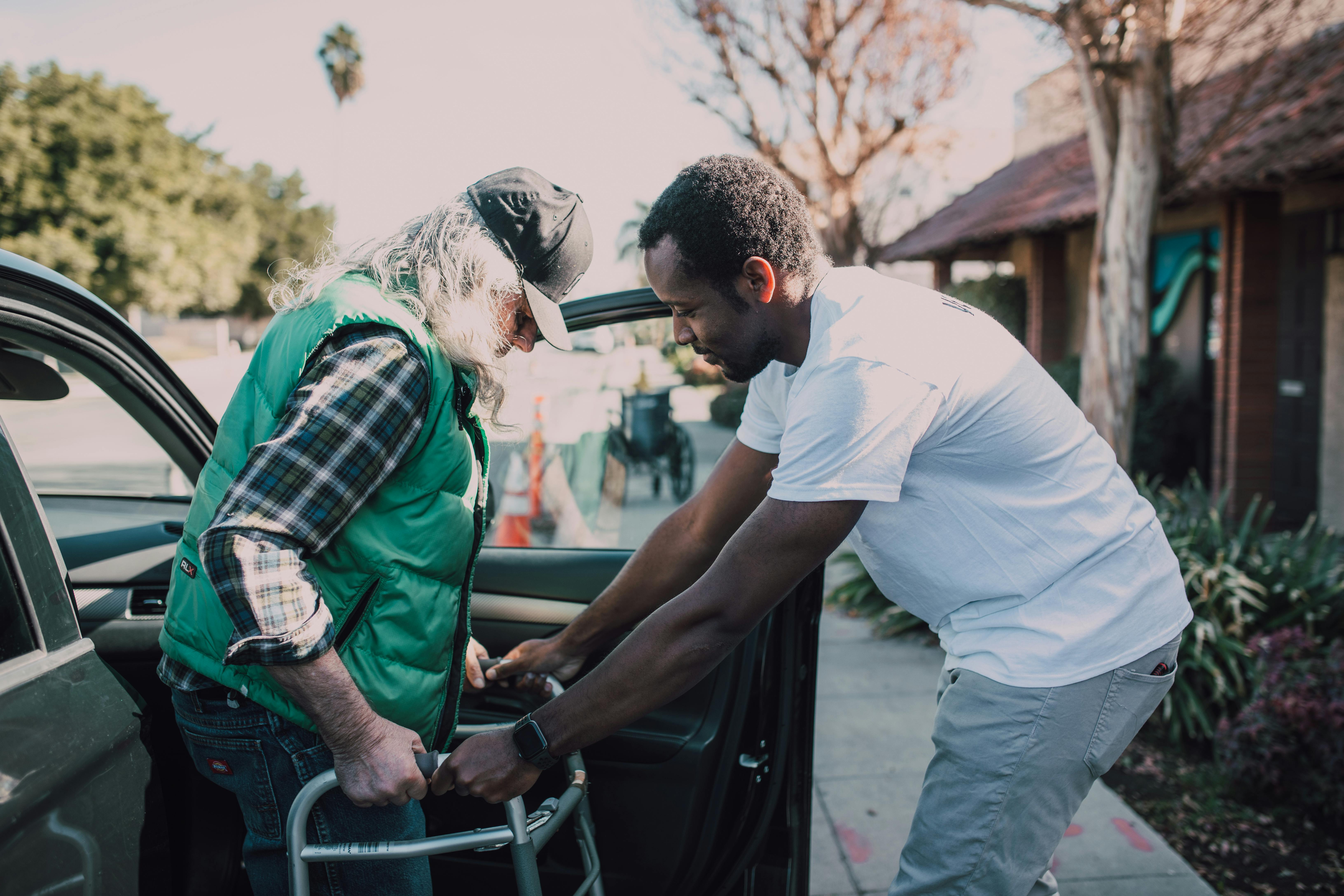
Germany's Elderly Care Crisis Is Your Opportunity
Germany needs over 300,000 care workers right now. By 2030, that number will double. The German government knows this — which is why they launched the Triple Win Program, specifically designed to recruit care workers from non-EU countries, including Subsaharan Africa. If you're a motivated African with a background in healthcare or a willingness to be trained, this is one of the most accessible legal immigration routes into Europe today.
What Does a Caregiver (Pflegekraft) Do in Germany?
- Assist elderly or disabled people with daily activities
- Help with personal hygiene, meals, mobility
- Monitor medications and report changes in health status
- Provide companionship and emotional support
- Work in hospitals, care homes (Pflegeheime), or private households
Salary Range
| Role | Monthly Salary |
|---|---|
| Care assistant (entry level) | €1,800–2,200 |
| Qualified nurse (Krankenpfleger) | €2,600–3,400 |
| Specialist nurse (Fachkrankenpfleger) | €3,000–4,200 |
Accommodation is sometimes provided during the first months.
The Triple Win Program: Your Official Pathway
Managed by the GIZ (German Development Agency) in partnership with local governments in participating countries, Triple Win handles:
- Recruitment and language training before departure
- Credential recognition support
- Visa application logistics
- Integration support upon arrival
Currently active in: Philippines, Tunisia, Bosnia — and being expanded to select African nations. Check giz.de/tripplewin for updates.
Standard Pathway (Without Triple Win)
Step 1: Get Your Qualification Recognized
Your nursing or healthcare diploma must be evaluated by the German recognition authority. Use anabin.kmk.org or apply directly to the relevant state authority (Landesbehörde).
Step 2: Language — German B2 is Mandatory
This is the biggest hurdle. You must reach B2 German level before the work visa is issued. Budget 12–18 months of serious study. Options:
- Goethe Institut (in your home country)
- Online platforms: Deutsche Welle (free), Babbel, Lingoda
Step 3: Find an Employer
Hospitals and care homes often post international vacancies on:
- care-jobs.de
- medi-jobs.de
- stepstone.de (filter by Pflegekraft)
Step 4: Apply for the Recognition Partnership Visa
Even if your diploma isn't fully recognized yet, Germany has a Recognition Partnership Visa that allows you to enter Germany and complete the recognition process on-site with a contracted employer.
Insider Tips
- German employers can sponsor language training costs — always ask.
- States like Bavaria and Baden-Württemberg have shortage programs with faster processing.
- The Pflegemindestlohn (care minimum wage) is legally protected — even small employers must pay it.
Common Mistakes
- Starting the German language too late
- Not getting a credential evaluation before applying
- Accepting informal job offers without a written contract
Conclusion
Germany is actively inviting caregivers from around the world. If you're committed to learning German and have care experience, this pathway can change your life.
? Start your FREE visa assessment on Sonevisa and get a step-by-step plan for Germany.